
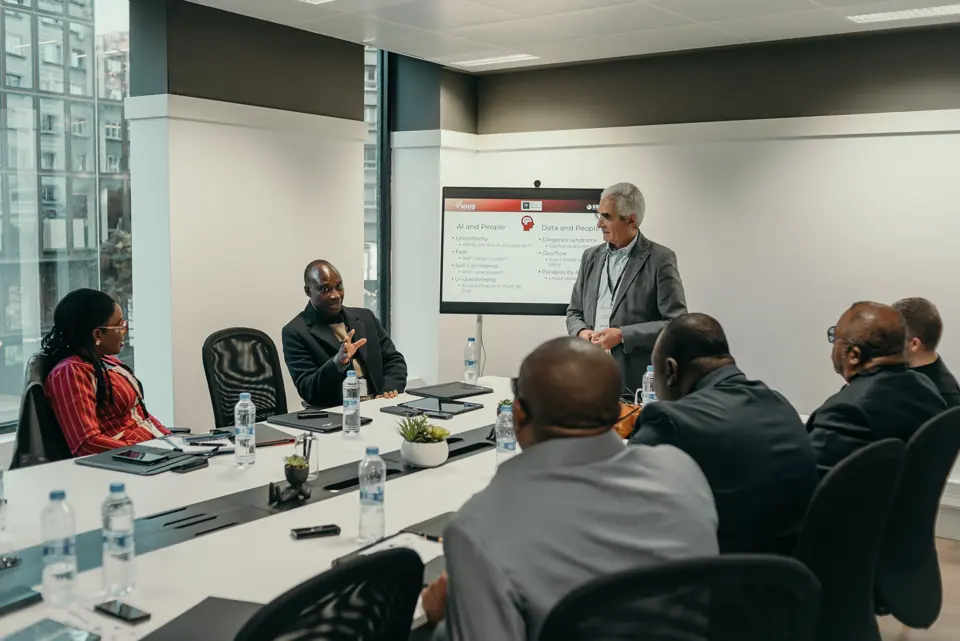
New technology, regulatory change, regional integration and evolving citizen expectations are reshaping African institutions. Senior leaders need more than technical information: they need exposure to tested approaches, peer networks and the confidence to translate ideas into institutional action.
Growth is not the same as transformation
The African Development Bank’s African Economic Outlook 2026 projects growth of 4.2% for the continent this year, among the fastest of any world region. The Bank’s chief economist has also pointed out that growth is not yet translating sufficiently into jobs, productivity and structural transformation. Closing that gap is largely an institutional task: better regulation, better-run public services, better-governed companies.
Why exposure matters
An auditor who has seen how a peer institution uses data to detect fraud asks different questions on return. A legislator who has sat with counterparts in another health system reads a budget differently. This is why our programmes are in person, and why they combine classroom sessions with visits to working institutions.
It is also why artificial intelligence features so heavily in our calendar. Boards and directors do not need to build models, but they do need to govern them: to know what to ask, what to fund and what to refuse.
From learning to action
Into Africa develops programmes that connect learning with practical leadership challenges. The most effective ones start from a specific result an institution needs, and end with a plan its leaders have written themselves.
Source: African Development Bank, African Economic Outlook 2026.